Qigong: Ancient Chinese Energy Healing for Modern Life
Gentle movements, breathing techniques, and meditation practiced for over 4,000 years to cultivate your vital life force.
What is Qigong?
Qigong (pronounced "chee-gung") is a holistic system of coordinated body posture and movement, breathing, and meditation. For over 4,000 years, it has been used for the purposes of health, spirituality, and martial arts training. The word itself is composed of two Chinese characters: Qi (氣), meaning life force or vital energy that flows through all things in the universe, and Gong (功), meaning accomplishment or skill that is cultivated through steady practice.
Together, Qigong means "cultivating energy"—a systemized method to help you balance your internal systems. Unlike modern high-intensity workouts, Qigong emphasizes relaxation and mindfulness. It operates on the principle that when the mind is calm and the body is aligned, the Qi can flow freely through the meridians, removing blockages that lead to physical or emotional illness.
Modern science is beginning to validate these ancient claims, with studies showing Qigong's effectiveness in reducing stress, improving cardiovascular health, and enhancing immune function. It is a practice of "effortless effort," where the practitioner becomes a conduit for the natural rhythms of the Earth and the Tao.
The Three Regulations
Explore Practice Styles
Find the right path for your current energy state.
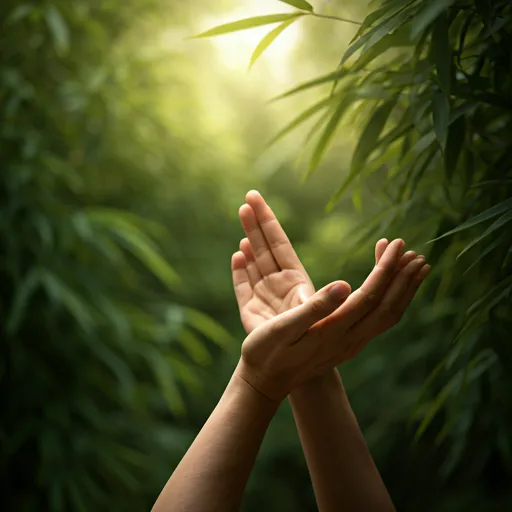
Eight Brocades (Ba Duan Jin)
One of the oldest and most widely practiced sets, focusing on internal organ health.
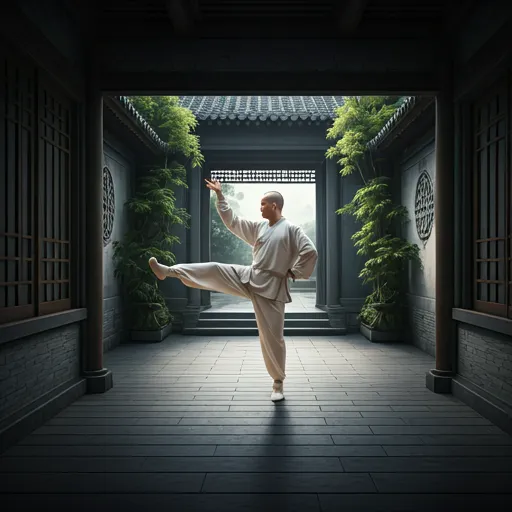
Five Animal Frolics
Mimic the crane, tiger, bear, deer, and monkey to cultivate specific elemental energies.
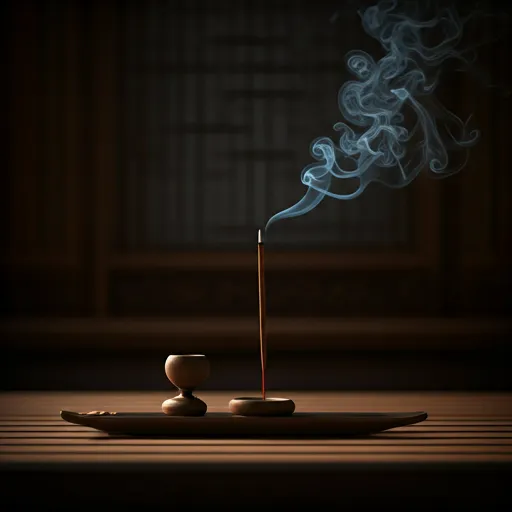
Microcosmic Orbit
A meditative practice that circulates Qi through the spine and front channels of the body.
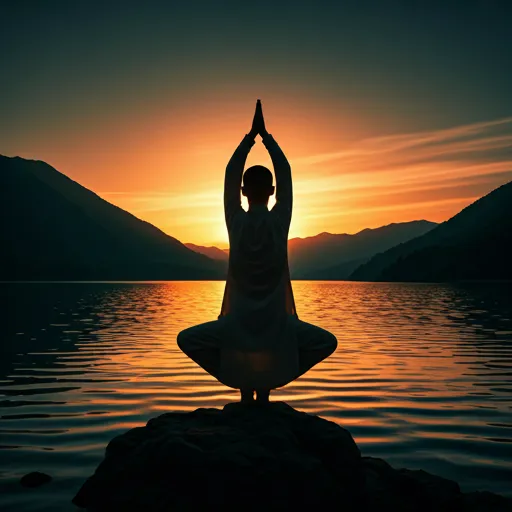
Six Healing Sounds
Use vocal vibrations to detoxify internal organs and release trapped emotional energy.
Wuji Qigong
Standing meditation (Zhan Zhuang) to develop structural integrity and rooted power.
I-Chuan (Mind Intent)
Mental focus training to direct energy without the need for large physical movements.
Build Your Personal Qigong Routine
Our interactive guide helps you select the right movements based on your time availability and health goals.
Define Your Goal
Choose from stress relief, physical healing, or energy boost.
Select Your Time
From a 5-minute morning flow to a deep 60-minute session.
Get Your Guide
Receive a customized video sequence and PDF breathing chart.
Frequently Asked Questions
Clear your doubts and begin your practice with confidence.
Do I need special equipment?
No, Qigong requires only comfortable clothing and a small space to stand or sit.
Is Qigong the same as Tai Chi?
Tai Chi is actually a form of Qigong that was developed for martial arts. Qigong is the broader parent system.
How long before I feel results?
Many feel immediate relaxation after one session, but significant health benefits usually appear after 4-6 weeks of regular practice.
Can I practice Qigong while sitting?
Absolutely. There are many "Chair Qigong" routines designed specifically for those with limited mobility.
Is it a religion?
No, Qigong is a health and mindfulness practice. It is practiced by people of all faiths and backgrounds.
When is the best time to practice?
Dawn and dusk are traditionally considered best, but any time you can find 10 minutes of quiet is perfect.
Should I practice on an empty stomach?
It is best to wait at least 30-60 minutes after a meal to allow your body's energy to focus on movement rather than digestion.
Can children practice Qigong?
Yes, simple Qigong movements can help children improve focus, balance emotions, and develop body awareness.