Tai Chi: Gentle Movement for Health, Balance & Inner Peace
The world's most practiced form of exercise, backed by modern science. Discover the "meditation in motion" that transforms body and mind.
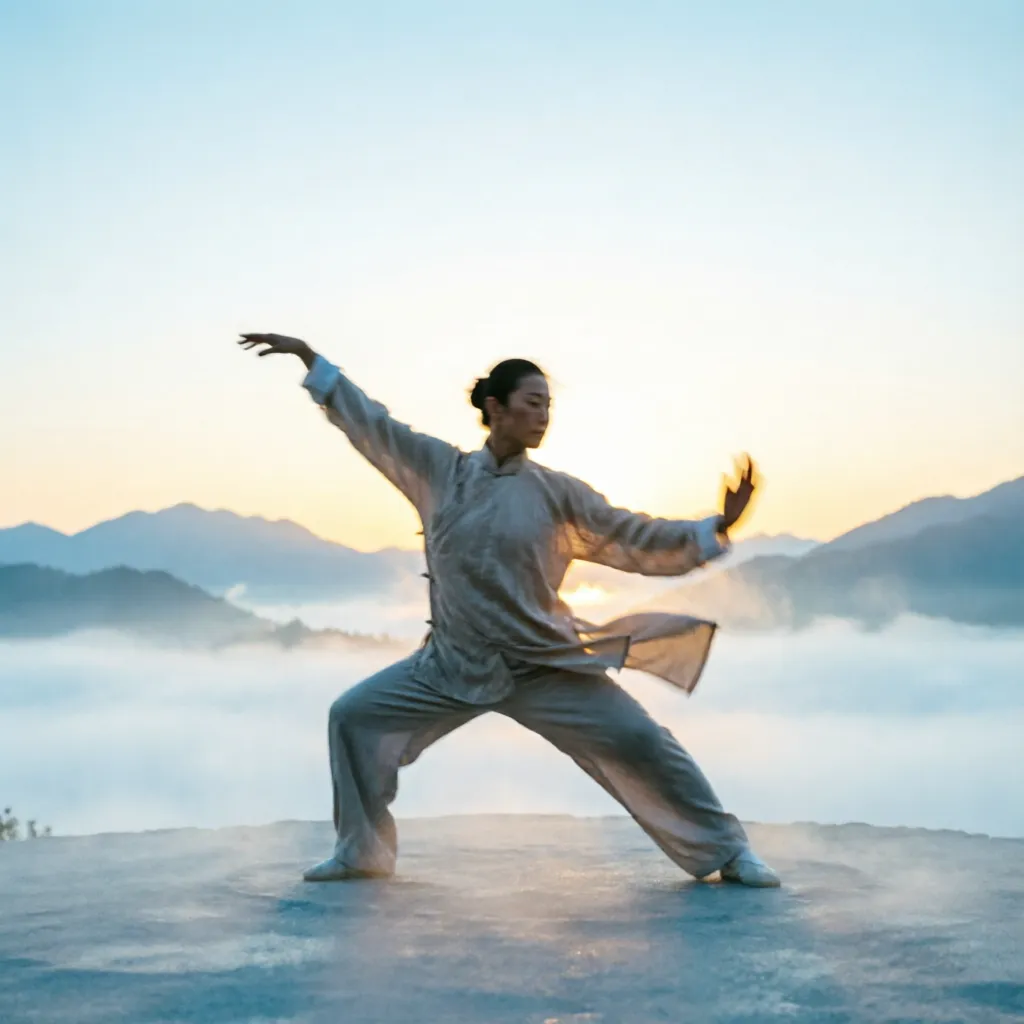
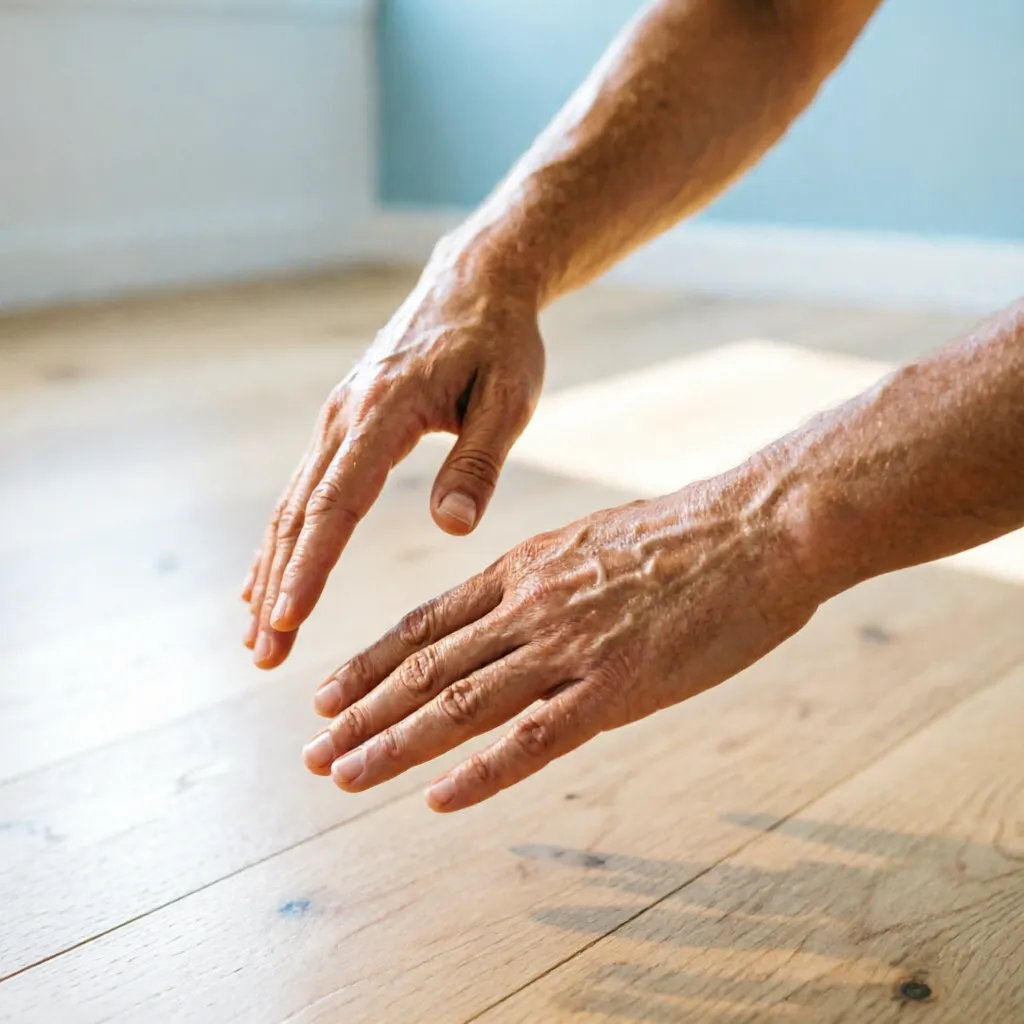
Introduction to Tai Chi (Commencing Form)
Understanding the Flow
Tai Chi vs. Qigong
While both involve breath and energy, Tai Chi is a martial art expressed as a continuous sequence of movements (forms), whereas Qigong typically focuses on single repetitive movements for health maintenance.
Harvard's Insight
"Tai chi is often called 'meditation in motion,' but it might well be called 'medication in motion.' There is growing evidence that this mind-body practice has value in treating or preventing many health problems." — Harvard Medical School
history Evolution of Tai Chi
12th Century
Legendary origins with Zhang Sanfeng at Wudang Mountain.
17th Century
The Chen family develops the first formally recorded style.
1956
Simplified 24-form is standardized for public health in China.
Today
Global integration into Western clinical physical therapy.
Specialized Pathways
Find the practice that fits your lifestyle.
For Seniors
Focus on fall prevention, joint mobility, and bone density without impact.
Learn More chevron_rightFor Stress
Slow rhythmic breathing to calm the nervous system and lower cortisol.
Learn More chevron_rightFor Beginners
Master the foundational 8-form before moving to the 24-form series.
Learn More chevron_rightCore Strength
Deep postural alignment that builds stability from the lower Dan Tian.
Learn More chevron_rightHeart Health
Low-impact aerobic conditioning proven to improve circulation.
Learn More chevron_rightMental Clarity
Improving focus and cognitive function through mindful movement.
Learn More chevron_rightWhich Tai Chi Style Is Right for You?
From the flowing Yang style to the explosive Chen style, find the practice that matches your personality and goals.
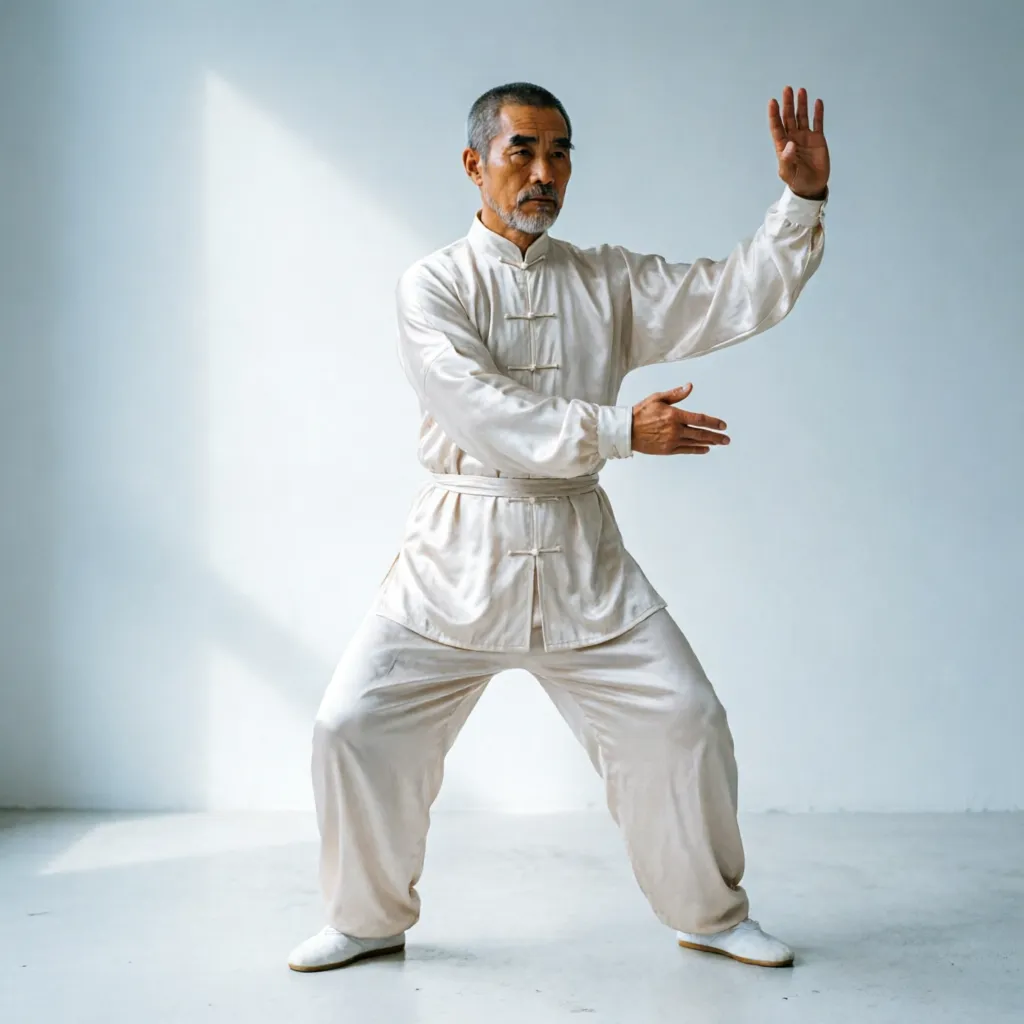
Tai Chi in 60 Seconds
A rapid-fire introduction to the core philosophy of "Wu Wei" or effortless action.
Micro-Learning for Busy Minds
Don't have 30 minutes? Our 60-second modules break down complex concepts into digestible, actionable insights you can practice anywhere.
- check_circle Correct Posture Learn the "invisible thread" technique.
- check_circle Breath Synchronization Uniting diaphragm with movement.
- check_circle Weight Shifting Mastering the substantial and insubstantial.
Frequently Asked Questions
Is tai chi good for seniors? expand_more
Absolutely. Tai chi is one of the safest and most effective exercises for older adults. Studies show it improves balance by up to 47% and reduces fall risk significantly. The slow, controlled movements strengthen legs and core without putting stress on joints.
How long does it take to learn tai chi? expand_more
You can learn the basic movements of the 24-form tai chi in about 8 to 12 weeks with regular practice. However, tai chi is a lifelong practice — most practitioners continue refining their form and deepening their understanding for decades.
What is the difference between tai chi and qigong? expand_more
Tai chi is a martial art that evolved into a health practice, involving a sequence of connected movements called forms. Qigong is a broader system of energy cultivation using simpler, repetitive movements and breathing exercises. They share the same philosophical roots, but tai chi is more complex while qigong is easier to start with.
Can tai chi help with arthritis? expand_more
Yes. The American College of Rheumatology recommends tai chi for knee osteoarthritis. Regular practice improves joint flexibility, reduces stiffness, and decreases pain. The gentle circular movements help lubricate joints without causing additional wear.
What should I wear to practice tai chi? expand_more
Wear loose, comfortable clothing that allows full range of motion — sweatpants and a t-shirt work perfectly. Choose flat-soled shoes with good grip, or practice barefoot if the surface allows. Avoid tight jeans, restrictive tops, or shoes with thick heels.
How often should I practice tai chi? expand_more
For best results, aim for 20 to 30 minutes of practice at least 3 to 4 times per week. Even 10 minutes daily is beneficial for beginners. Consistency matters more than duration — a short daily practice beats one long weekly session.
Is tai chi a martial art or meditation? expand_more
It is both. Tai chi originated as a martial art in 17th-century China and retains self-defense applications in every movement. At the same time, the slow, mindful practice makes it one of the most effective moving meditations. How you approach it depends on your goals.
Can I learn tai chi at home? expand_more
Yes, you can build a solid foundation at home using quality video instruction and guides. Start with the simplified 24-form, practice in front of a mirror to check your posture, and consider joining a class or workshop later to refine your technique with an instructor.